Agritourism marketing, explained for farm owners.
This is the guide we wish every farm owner had before hiring anyone, including us. What the work is, why a farm season changes it, and how the pieces fit together, in plain words.

What agritourism marketing is.
The short version
Agritourism marketing is the work of helping families discover, book and come back to on-farm experiences like pumpkin patches, corn mazes and Christmas tree farms. It brings together online ticketing, email, text messages, paid ads, social media and reviews, all timed around the short seasonal windows when a farm earns most of its year.
On most farms, that work grows up one piece at a time. A ticket page one year, a Facebook page the next, an email whenever someone finds a free evening. Each piece can be fine on its own and still leave families slipping through the gaps between them.
The rest of this guide walks through why a farm season changes the work, what each piece does, how the pieces feed each other, and roughly when each one should happen across the year.
Farm seasons break normal marketing playbooks.
Most marketing advice assumes you sell all year. A farm doesn’t. Our team works inside farm calendars every season, so we feel the difference in our own week too. When a rainy Saturday wipes out a big weekend, we’re up early rewriting emails and moving ad budgets right alongside the farm.
Three things set a farm season apart.
-
The season is short
A handful of weekends carry the whole year. There’s no slow month to test ideas in, so everything has to be ready before the gates open.
-
Weather calls the shots
One storm can erase a weekend you can’t get back. Farm marketing needs same-day texts, quick email changes and ad budgets that can move.
-
Every ticket has a date
An unsold Saturday slot is gone for good, like an empty seat on a flight. Capacity, timed entry and pricing matter as much as the ads.

Worth keeping in mind
By opening day, most of the work that sells the season should already be done.
See the year at a glanceSix channels, working as one system.
None of these works well on its own. The ads fill the list, the list feeds the emails, the emails sell the tickets, and the reviews make all of it easier. Here’s each piece and the job it does.
-
Ads and social
Find new families nearby
-
The ticket page
Turns interest into a dated ticket
-
Email and texts
Bring guests back and keep the day running
-
Reviews
Help the next family say yes
Then round again, and the next family finds you. Each piece hands off to the next, so a gap in one shows up in all of them.
-
Ticketing
Your ticket page is your real storefront. Many families decide whether to visit while they’re looking at it, not at your gate. We build and run farm ticket pages on TicketSpice, with color-coded calendars, bundles and timed entry that smooth out your busiest weekends.
How we run TicketSpice -
Email
Past guests are the easiest families to bring back, and email is how you reach them for very little. Launch notes, weekend reminders and a gentle nudge for an order left unfinished all earn their place.
Everything we handle -
Text messages
A text is the warmest, most personal way to reach a family. We keep texts for big announcements and day-of updates, sent only to guests who’ve opted in, and never as spam.
How we help at every step -
Paid ads
Facebook, Instagram, TikTok and Google ads bring new families in, and every dollar should tie back to a ticket sold. We follow ads through to the sale wherever we can trace it, and report it in plain English.
Answers on ad budgets -
Social media
Families want to see real photos and videos from your farm. Posts, stories and events keep your farm in front of people all season, in your farm’s own voice.
Answers on social and creators -
Reviews
Many families check Google reviews before they buy a ticket. A review request after each visit, plus a tidy Google Business Profile, quietly does a lot of selling for you.
Answers on reviews
Where to start
Every farm’s mix is a little different.
Some farms need the ticket page first. Others need the list, or the ads. Pick the parts of your season you’d like help with, then bring that list to a call with our team.
Four things every channel leans on.
The channels get most of the attention, but each one depends on a little groundwork. When it’s missing, ads cost more and emails sell less. These are also the pieces owners tend to set up once and then forget.
-
Your farm website
Ads, posts, listings and searches usually land here first, so the site has to answer what families ask: what’s open, when, what it costs and where to park. A Buy Tickets button on every page, real photos of your farm and a plan your visit page do more than any redesign. Make sure it works well on a phone, since many families plan the visit on one.
What every farm site needs -
Local search
When a parent searches “pumpkin patch near me,” Google shows a map before any website. A claimed and verified Google Business Profile with the right category, current hours, season dates, real photos and a link to your ticket page is the most valuable free hour in farm marketing. Change the hours the day they change, so nobody drives out to a closed gate.
How to show up on Google -
Group sales
Schools, scout troops, birthday parties, churches and company outings can fill weekdays and quiet mornings that would otherwise sit empty. Give groups their own simple package with a flat per-person rate and a clear minimum, a short inquiry form and a quick reply. Keep groups off your busiest Saturdays unless they pay full price.
Answers on group pricing -
Tourism and event listings
Families find seasonal outings through local event calendars, parenting blogs, weekend roundups, your state’s farm or agritourism directory and the regional visitor bureau. Many are free. Send your dates and one good photo in midsummer, while writers plan their fall coverage, and keep the details the same everywhere so nobody finds last year’s hours.
When to pitch, by month
Marketing by farm type.
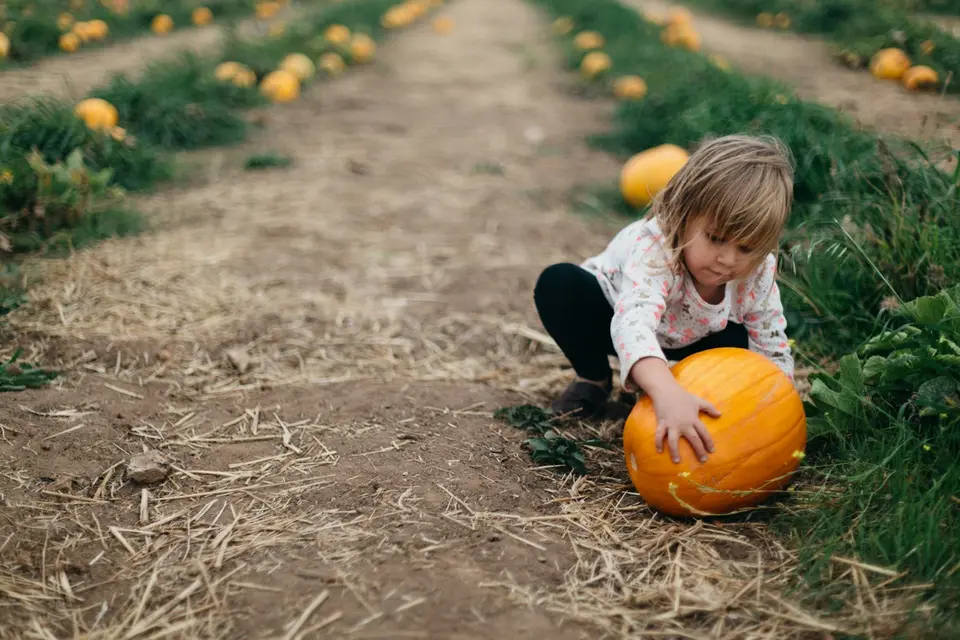
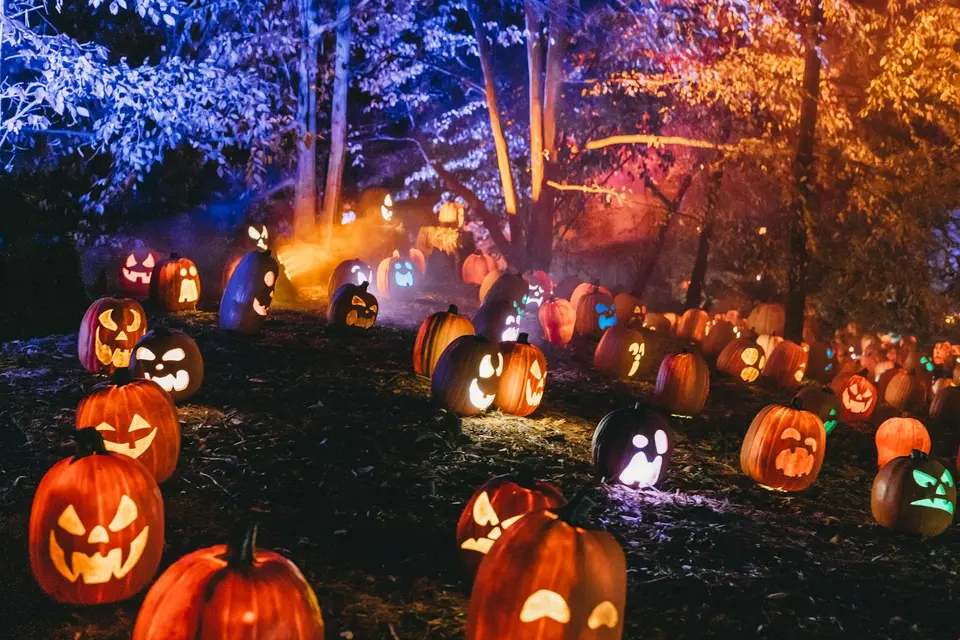
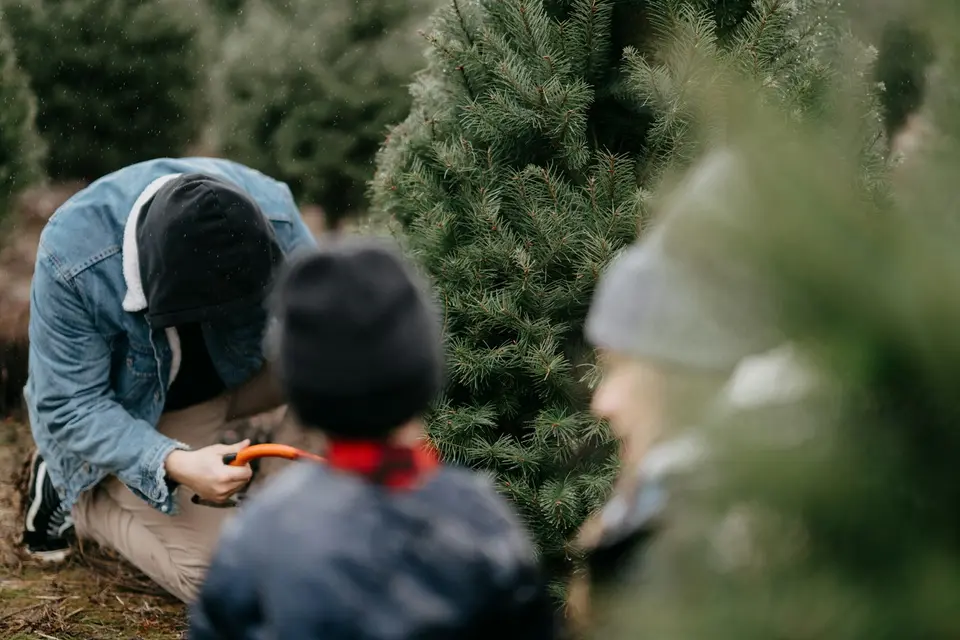
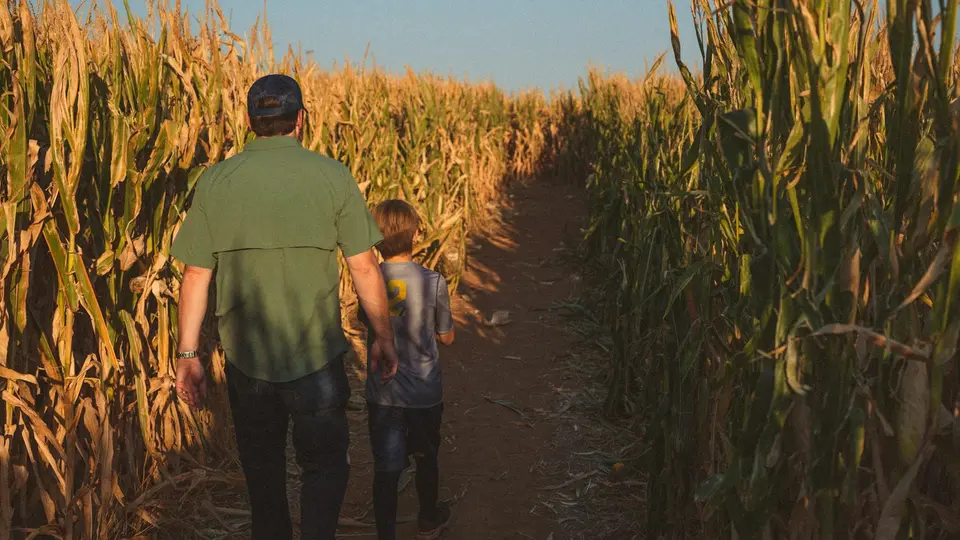
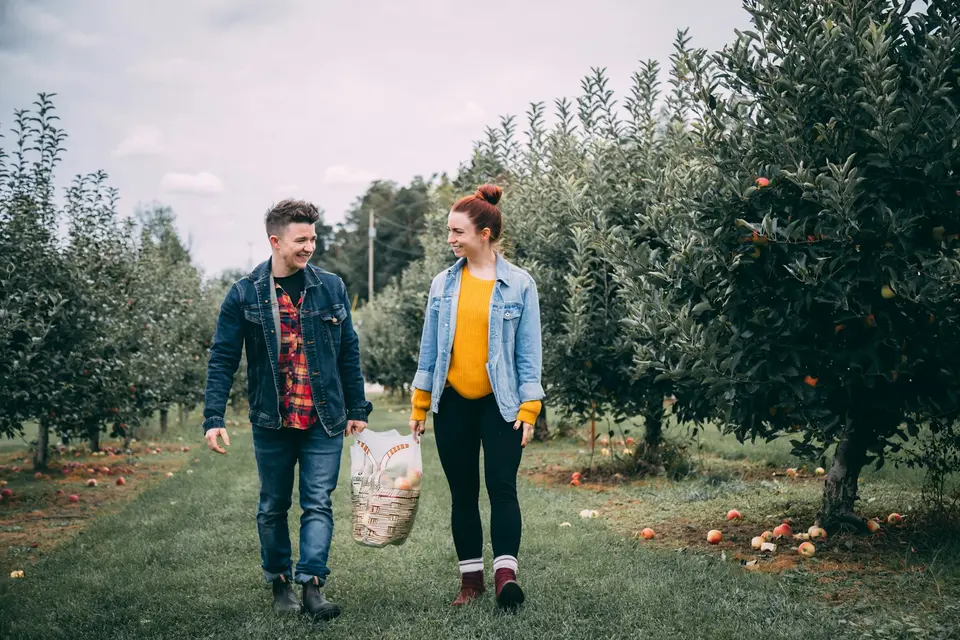
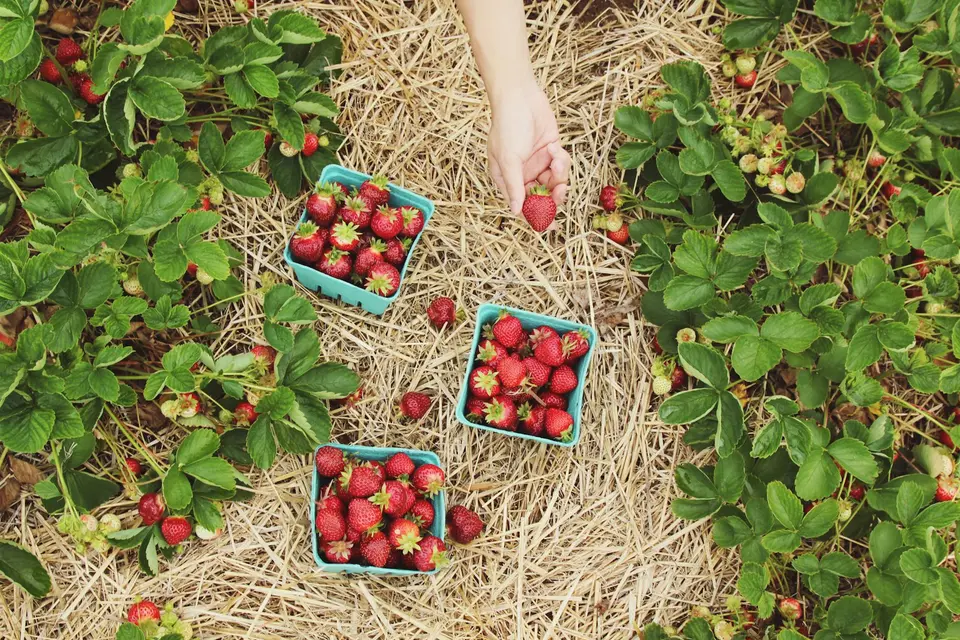
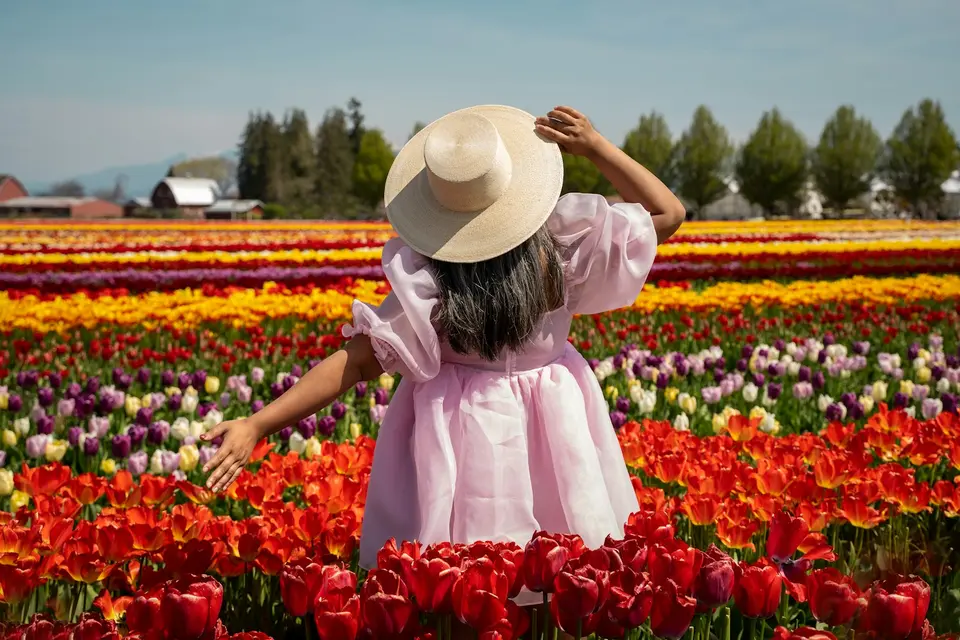
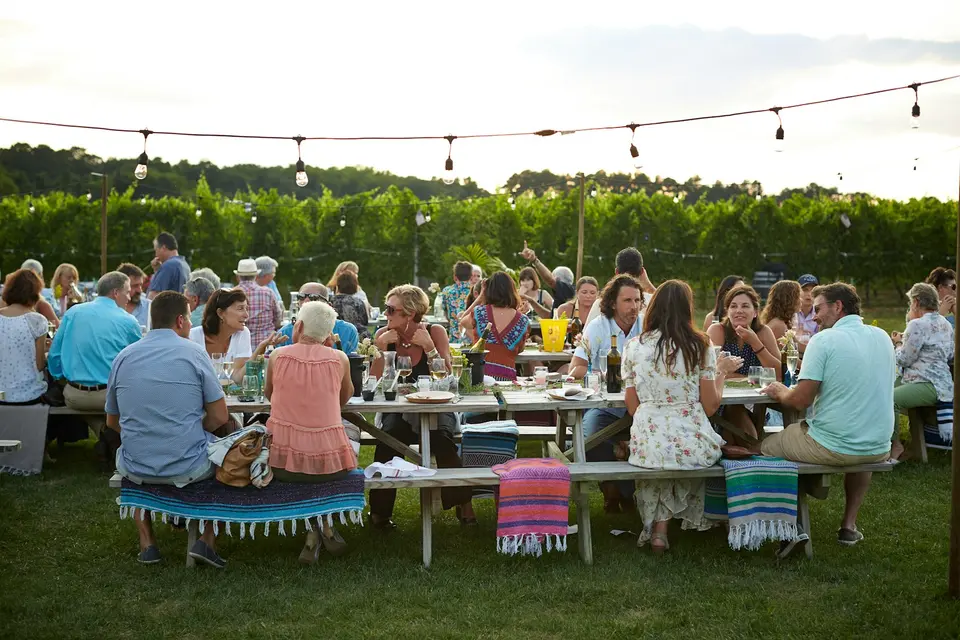
A pumpkin patch and a Christmas tree farm don’t share a calendar, an audience or a playbook. We wrote a guide for each kind of farm we work with, so start with yours.
-
-

-
-
-
-
-
-
-


A farm marketing calendar, season by season.
The most common mistake we see is starting when the season starts. By then, the farms that do well have been working for months. Here’s roughly how the year should flow.
-
Season 01
Winter
The quiet season is the planning season.
- Review what worked and what didn’t
- Set dates, prices and themed weekends
- Keep your email list warm with an occasional note
-
Season 02
Spring
Build the foundation before anyone is thinking about fall.
- Clean up your list and your Google Business Profile
- Open the year with spring events and early festivals
- Plan photo and video days while the farm is green
-
Season 03
Summer
This is when fall is actually won.
- Build and test ticket pages before the rush
- Send early emails to past guests in midsummer
- Have ads warming up by August
-
Season 04
Fall and holidays
Peak season, then one more big swing.
- Day-of texts and weather updates for guests
- Daily checks on sales while the gates are open
- Black Friday pre-sales for tree farms and holiday events
Questions farm owners ask about agritourism marketing.
What does an agritourism marketing agency do?
An agritourism marketing agency runs the online side of a farm’s guest experience. That usually means online ticketing, email, text messages, paid ads, social media and reviews. For us, it means running all of those as one connected system, timed around the farm’s season, so the owner can focus on the farm itself.
How is farm marketing different from normal marketing?
Most businesses sell year round. An agritourism farm earns most of its year in a handful of weekends, tickets are tied to specific dates, and weather can change everything overnight. Farm marketing has to be planned months ahead, then adjusted day by day once the season starts. A normal marketing calendar doesn’t fit that.
How far ahead of opening day does the real work begin?
Months ahead. The groundwork happens in spring and early summer, ticket pages should be ready by midsummer, emails to past guests go out in July or August, and ads should be running by late August. A farm that waits until September is competing for attention that other farms started earning months earlier.
Does a farm still need its own website if tickets are sold on TicketSpice?
Yes. The ticket page is where families buy, but your website is where they decide: what’s open, what it costs, what to expect and where to park. Ads, posts, listings and Google searches usually land there first. For most farms, a simple site that works well on a phone and sends every visitor to the ticket page is enough.
How do farms book more school field trips and group visits?
Make it easy to say yes. Put a groups page on your website with a flat per-person rate, a clear minimum, the days you take groups and a short inquiry form, then reply quickly. Send that page to teachers, scout leaders and parent groups before their calendars fill, which for schools is often late summer. Groups fill weekdays you would otherwise lose, so keep them off your busiest weekend slots unless they pay full price.
What is TicketSpice?
TicketSpice is an online ticketing platform that many agritourism farms use to sell timed-entry tickets, season passes, bundles and add-ons. It’s the platform our team knows best and works in every day for the farms we partner with. A well-built TicketSpice page handles capacity, pricing and busy weekends without the owner having to touch it.
Have a different question? Browse the answers
Let’s talk about your farm.
Book a time with our team. We’ll talk about your season, what you’d love to grow and where we’d start.
Bring any part of this guide to the call. Every note gets a reply from our team within one business day.